Erectile Dysfunction

ERECTILE DYSFUNCTION (ED)

Erectile Dysfunction occurs when a man cannot achieve or maintain a firm erection. Reduced blood circulation, weakened nerve signals, diabetes, stress, or hormonal imbalance disrupt this natural process.

Signs & Conditions:

Difficulty getting or maintaining an erection

Erections not firm enough for penetration

Reduced morning erections

Reduced sexual confidence

Avoiding intimacy due to performance fear

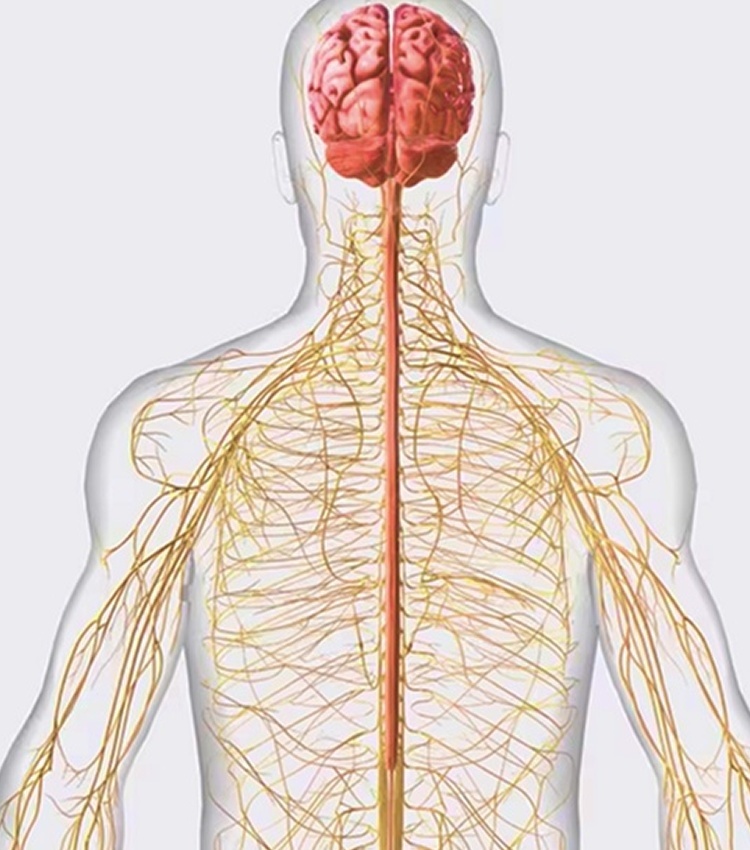
Nerve Reactivation Therapy Approach: NRT supports healthy nerve function, improves blood circulation, promotes cellular energy, and encourages tissue repair for better erectile function.

Premature Ejaculation

PREMATURE EJACULATION (PE)

Premature Ejaculation is when a man safe ejaculates sooner than desired. Overly sensitive nerve signals, increased nerve sensitivity, overactive pelvic floor muscles, stress, anxiety, or hormonal imbalances contribute to this condition.

Signs & Conditions:

Ejaculation occurring sooner than expected

Difficulty controlling or delaying ejaculation

Anxiety before or during sexual activity

Reduced sexual satisfaction

Loss of confidence in intimate relationships

Nerve Reactivation Therapy Approach: NRT improves nerve signalling and pelvic muscle coordination, helping improve ejaculatory control and sexual confidence.

Nerve-Related Sexual Dysfunction

NERVE-RELATED SEXUAL DYSFUNCTION

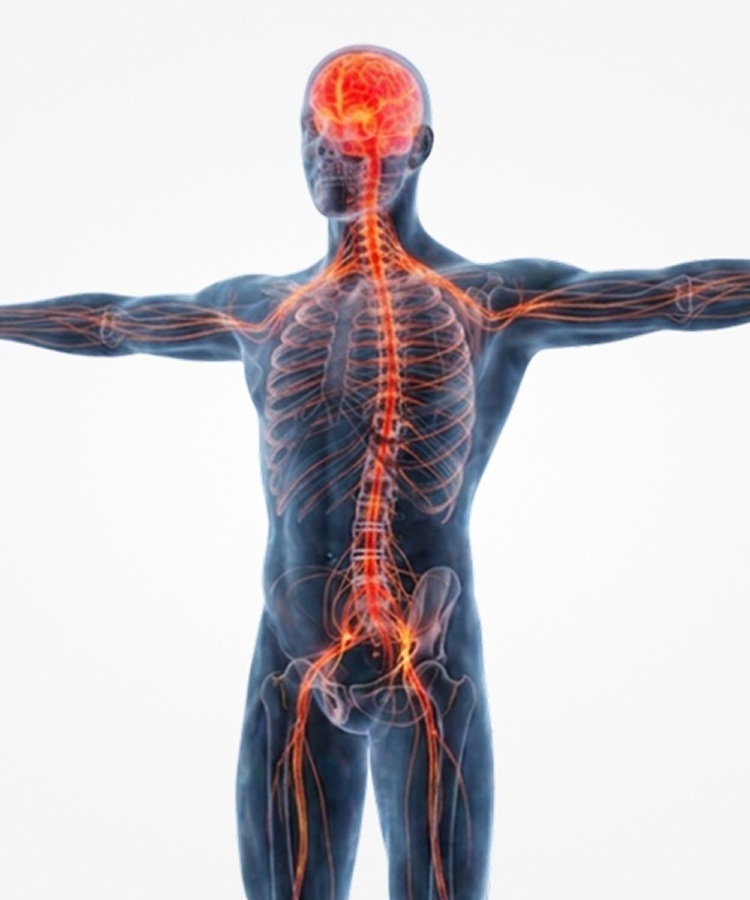
Nerve-Related Sexual Dysfunction occurs when pelvic nerves cannot transmit signals properly between the brain and pelvic organs. It's associated with diabetes, spinal problems, pelvic injuries, surgeries, or age-related nerve changes.

Signs & Conditions:

Difficulty achieving or maintaining an erection

Reduced sensation in the penis

Delayed or absent ejaculation

Weak or inconsistent erections

Numbness or tingling in the pelvic area

Decreased sexual confidence

Nerve Reactivation Therapy Approach: NRT promotes nerve healing, improves blood circulation, reduces inflammation, and restores pelvic nerve health for better sexual function.

Post-Prostate Surgery Rehabilitation

POST-PROSTATE SURGERY REHABILITATION

Post-Prostate Surgery Rehabilitation supports recovery after prostate surgery. Surrounding nerves and muscles may be temporarily affected, causing pelvic muscle weakness, reduced bladder control, or erectile changes.

Signs & Conditions:

Urine leakage when coughing or sneezing

Frequent or urgent need to urinate

Weak pelvic muscle strength

Difficulty achieving or maintaining an erection

Reduced sexual confidence

Mild discomfort in the pelvic region

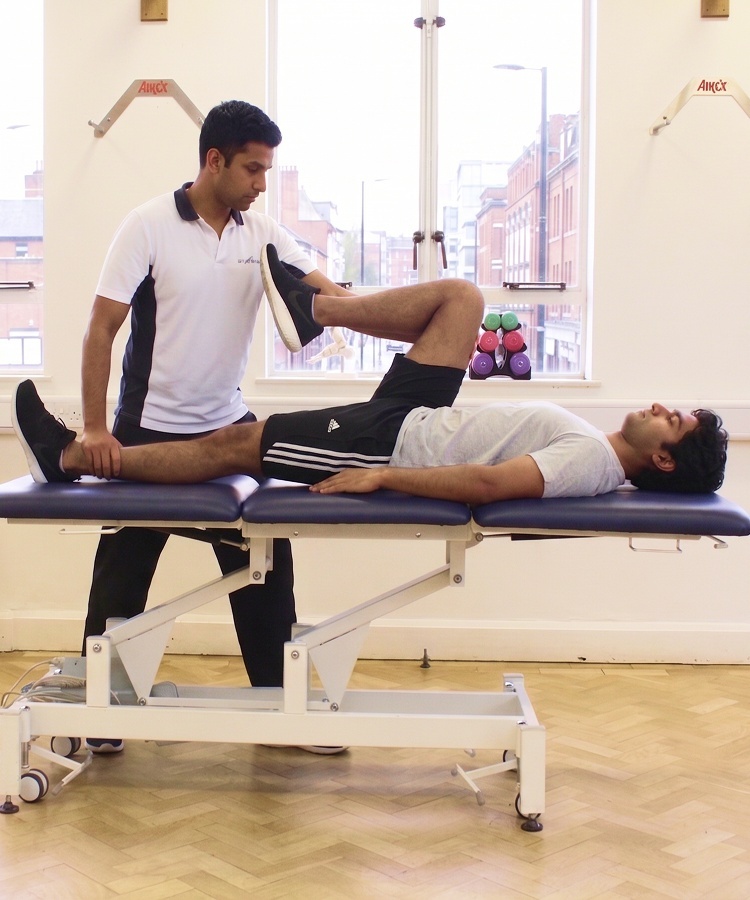
Nerve Reactivation Therapy Approach: NRT supports nerve recovery, improves blood circulation, promotes tissue healing, and restores pelvic muscle function and bladder control as part of your rehabilitation plan.